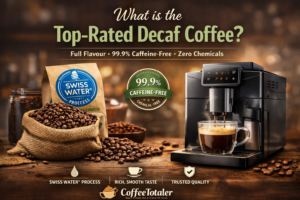
Decaf coffee is part of everyday life for millions of people. For some, it’s a morning essential. For others, it’s a moment of comfort during a busy day. But as people become more health-conscious, one important question is being asked more often than ever:
The truth is, coffee can be both healthy and unhealthy—it all depends on how it’s processed, how much caffeine it contains, how it’s roasted, and how it’s brewed. Let’s understand what truly makes coffee healthy and how you can enjoy great taste without compromising your well-being.
sked more often than ever:
What Makes Decaf Coffee Healthy?
Not all coffee has the same effect on the body. A healthy cup of coffee should give you enjoyment without causing discomfort, anxiety, or long-term health issues.
Some key factors that decide how healthy your coffee is include:
- Caffeine content
- Decaffeination method
- Presence (or absence) of chemicals
- Roasting quality
- Brewing technique
- Added sugar and artificial ingredients
When these factors are balanced correctly, coffee can be a source of antioxidants, pleasure, and comfort—without stress on the body.
Is Caffeine Always Good for You?
Caffeine does have benefits. In moderate amounts, it can improve focus, increase alertness, and boost energy. However, for many people, caffeine can cause unwanted side effects such as:
- Anxiety and restlessness
- Sleep disturbances
- Heart palpitations
- Acid reflux and stomach discomfort
- Hormonal imbalance
This is especially true for pregnant women, caffeine-sensitive individuals, people with acidity, anxiety, or heart conditions. For them, reducing or eliminating caffeine is often recommended.That’s where decaf coffee becomes a healthier alternative.
Is Decaf Coffee Healthy?
Yes—high-quality decaf coffee can be a healthy option.
Decaf coffee still contains antioxidants and beneficial plant compounds found in regular coffee, but without most of the caffeine. This makes it suitable for people who want to enjoy coffee without affecting sleep, digestion, or heart health.
However, not all decaf coffee is created equal.
The decaffeination process makes all the difference.
Why Some Decaf Coffee Is Not a Healthy Choice
Many commercially available decaf coffees use chemical solvents to remove caffeine. These methods may leave trace residues and can also affect the natural flavour and nutrients of the coffee bean.
For people choosing decaf for health reasons, chemical processing defeats the purpose. That’s why it’s important to choose chemical-free decaffeinated coffee.
Swiss Water® Process: The Healthiest Way to Decaffeinate Coffee
The Swiss Water® Process is widely considered the cleanest and healthiest decaffeination method in the world.
How the Swiss Water® Process Works
- Uses only water, temperature, and time
- Removes 99% of caffeine
- Preserves the coffee’s original flavour and aroma
- Leaves zero chemical residue
No solvents. No additives. Just pure coffee.
Why Swiss Water® Decaf Is Healthier
- 100% chemical-free
- Certified organic
- Gentle on digestion
- Safe for pregnant women and caffeine-sensitive coffee lovers
- Retains antioxidants and natural nutrients
At CoffeeTotaler, we proudly import Swiss Water® Process decaffeinated coffee beans from Canada, ensuring a clean, safe, and premium coffee experience.
Low-Acidity Coffee: Easier on the Stomach
Acidity is a common issue for many coffee drinkers. High-acid coffee can cause heartburn, bloating, and stomach irritation.
Swiss Water® decaf coffee, when roasted correctly, naturally offers:
- Lower acidity
- Smoother mouthfeel
- Less bitterness
This makes it an excellent option for people with sensitive stomachs or digestive concerns.
Why Roasting Quality Matters
Roasting plays a major role in both flavour and health.
Poor or over-roasted coffee can:
- Destroy antioxidants
- Increase bitterness
- Irritate the stomach
That’s why CoffeeTotaler uses precision small-batch roasting. This approach:
- Preserves natural oils and nutrients
- Enhances aroma and flavour
- Creates a smooth, balanced finish
The result is coffee that tastes great and feels good to drink.
Brewing the Right Way: The Importance of Coffee Machines
Even the healthiest beans need proper brewing to shine.
Incorrect extraction can make coffee bitter and harsh. Professional brewing requires 19-bar pressure, which ensures:
- Even extraction
- Rich aroma and crema
- Balanced flavour without bitterness
CoffeeTotaler’s smart automatic and semi-automatic coffee machines are designed to deliver barista-grade coffee at home or in the office—at the touch of a button.
Don’t Forget About Additives
Often, coffee itself isn’t unhealthy—what we add to it is.
To keep your coffee healthy:
- Reduce added sugar
- Avoid artificial creamers and syrups
- Choose natural milk or plant-based alternatives
High-quality Swiss Water® decaf coffee is naturally smooth and flavourful, so it doesn’t need heavy additives.
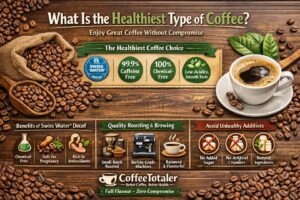
So, What Is the Healthiest Type of Coffee?
The healthiest coffee is one that combines clean processing, minimal caffeine, low acidity, and proper brewing.
The Healthiest Coffee Choice Is:
- Swiss Water® Process decaf coffee
- 100% chemical-free
- 99.9% caffeine removed
- Low-acidity and easy to digest
- Small-batch roasted for flavour and nutrition
- Brewed using quality coffee machines
This is exactly what CoffeeTotaler stands for—full flavour with zero compromise.
Why CoffeeTotaler Coffee Is a Healthier Choice
- Swiss Water® Process decaffeination
- No chemicals or solvents
- Tested by Coffee Board of India (less than 0.1% caffeine)
- Rich aroma and smooth finish
- Ideal for health-conscious lifestyles
- Smart machines ensure consistent, barista-grade brewing
With CoffeeTotaler, you don’t have to give up coffee to stay healthy—you just have to choose better coffee.
FAQs
1. Is decaf coffee healthier than regular coffee?
For many people, yes. Decaf reduces caffeine-related side effects while still providing antioxidants and flavour.
2. Does Swiss Water® decaf contain any chemicals?
No. The Swiss Water® Process uses only water and leaves zero chemical residue.
3. Is Swiss Water® decaf safe during pregnancy?
Yes. It contains less than 0.1% caffeine and no chemicals, making it one of the safest coffee options.
4. Does decaf coffee still taste like real coffee?
Yes. Swiss Water® Process preserves the original flavour profile, so there is no taste compromise.
5. Why is CoffeeTotaler considered a healthy coffee brand?
We combine chemical-free decaf beans, precision roasting, and smart coffee machines for a clean, premium coffee experience.